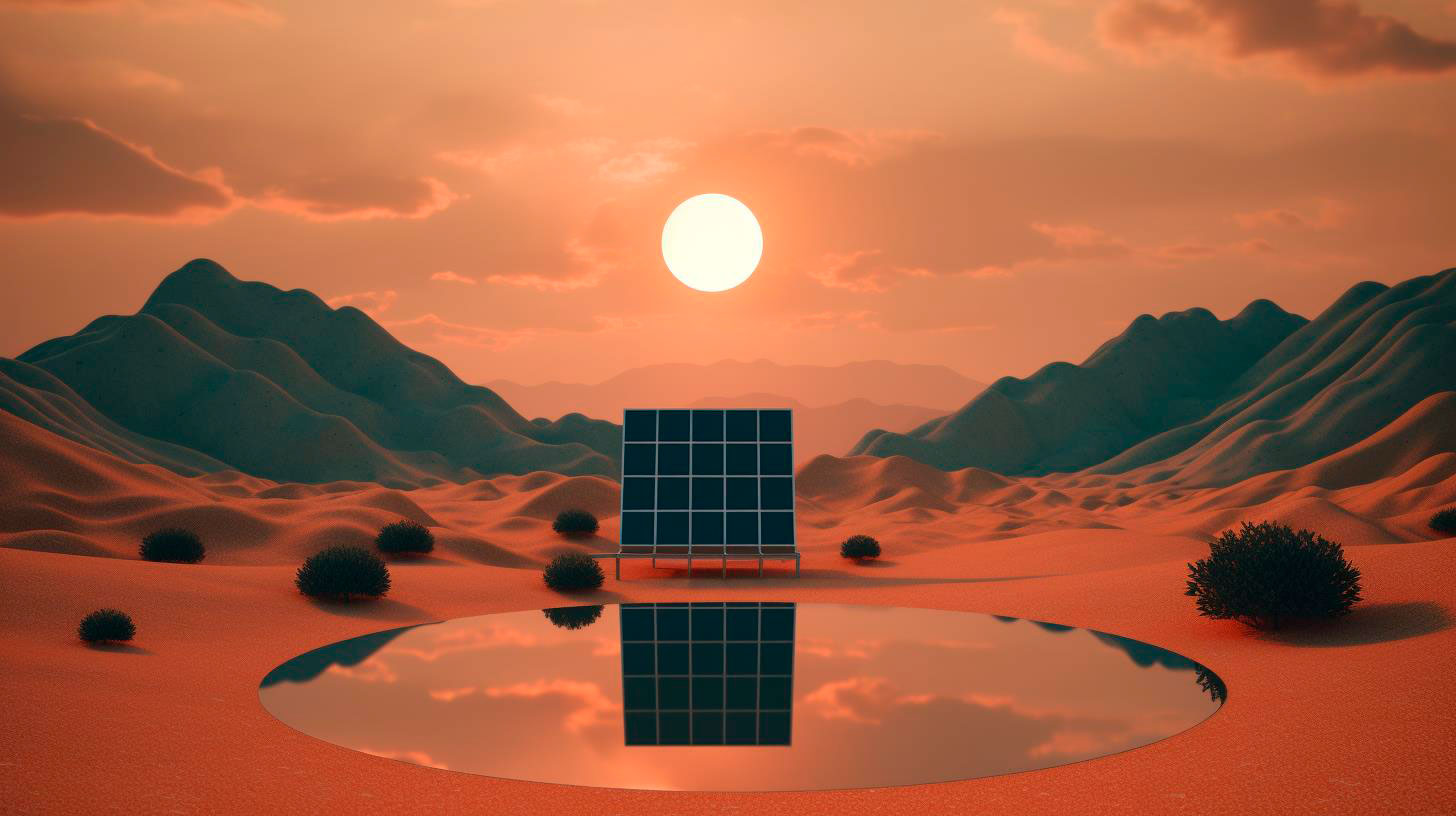
Solar Farms that Float: Unveiling Renewable Energy’s New Frontier
In this blog article, we will explore the concept of floating solar farms, highlighting their key features, advantages, and the future potential of this new renewable energy frontier.
What are Floating Solar Farms?
Floating solar farms, also known as floating photovoltaic (FPV) systems or floating solar arrays, involve the installation of solar panels on floating structures in bodies of water such as lakes, reservoirs, and even offshore locations. These installations are designed to maximize energy production by utilizing the vast surface area of water bodies.
Key Features of Floating Solar Farms
1. Space Optimization: Floating solar farms leverage previously unused water surfaces, reducing the need for large tracts of land. This enables their implementation in regions with limited land availability, making solar energy accessible to a wider audience.
2. Increase in Efficiency: As solar panels operate more efficiently when they are cooler, the natural cooling effect of water beneath the floating modules enhances the overall energy production of the system.
3. Reduced Evaporation: The shading effect provided by floating solar farms helps minimize water evaporation, which is a critical factor in water-stressed areas. This dual-purpose advantage of conserving water while generating electricity makes them especially valuable in drought-prone regions.
4. Easy Installation and Maintenance: Floating solar farms are relatively easier and faster to install than their land-based counterparts. Additionally, maintenance and cleaning are simplified as the panels can be easily accessed and serviced.
Advantages of Floating Solar Farms
1. Increased Energy Yield: Floating solar farms typically produce more electricity per unit compared to land-based installations due to their potential for unobstructed sunlight and the cooling effect of the water.
2. Water Conservation: The shade created by floating solar panels reduces water evaporation from reservoirs and lakes, helping conserve this precious resource in water-scarce regions.
3. Biodiversity Preservation: By covering the water surface, floating solar farms create habitats for marine life, promoting biodiversity and contributing to the conservation of aquatic ecosystems.
4. Reduced Land Use: Floating solar farms do not require vast amounts of land, making them an ideal solution for densely populated areas or areas where land is limited, such as urban environments and small islands.
The Future Potential
Floating solar farms have gained significant momentum in recent years, with numerous countries investing in these innovative projects. According to a report by the World Bank, suitable man-made reservoirs alone could support around 400 GW of floating solar capacity globally, which is about the same as the current solar PV capacity worldwide.
Some of the potential future applications and benefits of floating solar farms include:
- Offshore Installations: Expanding floating solar farms to offshore locations, harnessing the abundant sunlight on the ocean’s surface.
- Hybrid Systems: Combining floating solar with other forms of renewable energy, such as wind or wave power, to create hybrid energy generation platforms.
- Water Treatment: Integrating floating solar farms with water treatment facilities, leveraging renewable energy while purifying water.
In Conclusion
Floating solar farms have emerged as a game-changer in the quest for renewable energy sources. With their space optimization, increased efficiency, and potential for reducing water evaporation, they offer a range of benefits and advantages. As technology advances and more countries invest in floating solar installations, these innovative systems will play a significant role in the transition to a sustainable and greener future.